Suika Game
Product Description & Specifications
A Surprisingly Addictive Watermelon Puzzle You Didn’t Expect to Love
If you’ve ever thought a simple puzzle game couldn’t hold your attention for long, Suika Game might change your mind. At first glance, it looks almost too minimal to be engaging—just fruits dropping into a container. But give it a few minutes, and you’ll find yourself hooked in a quiet, satisfying way. It’s one of those games that feels easy to pick up but keeps you coming back because there’s always room to do just a little better.
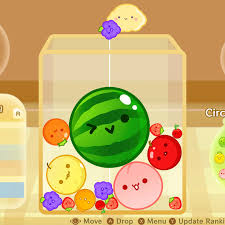
The core idea is simple: you drop fruits into a box, and when two of the same kind touch, they merge into a bigger fruit. The goal is to keep merging and building up until you create the largest fruit—a watermelon—without letting the pile overflow. That’s it. No complicated controls, no long tutorials. Just a clean concept that gradually reveals its depth as you play.
What makes the gameplay interesting isn’t just the merging mechanic, but the physics involved. Fruits don’t stay where you drop them—they bounce, roll, and shift unpredictably. That means every move has a bit of risk. You might plan to neatly stack two cherries, only to have them roll apart and mess up your entire setup. This slight chaos keeps the game from feeling mechanical and adds a layer of strategy that goes beyond simple matching.
As your container fills up, space becomes your biggest enemy. Early on, it feels easy to combine fruits and clear room, but later, every drop matters. One careless placement can push your stack too high and end the game. That tension—between wanting to merge quickly and needing to stay organized—is where the game really shines.
If you’re just starting out, a good approach is to focus on consistency rather than speed. It’s tempting to rush merges, especially when you see easy combinations, but taking a moment to place each fruit carefully usually pays off. Try to guide fruits toward the sides so you leave space in the center for future drops. This helps prevent awkward stacking and gives you more control over how merges happen.
Another helpful tip is to think a few moves ahead. Because fruits can roll and shift, you’re not just placing the current piece—you’re influencing what will happen next. Dropping a fruit slightly to the left or right can determine whether it merges immediately or creates a setup for a bigger combination later. Over time, you’ll start to recognize patterns and develop a feel for how the fruits behave.
It’s also worth paying attention to balance. If one side of your container gets too high, it becomes harder to recover. Try to keep your pile relatively even, even if it means delaying a merge. A balanced stack gives you more flexibility and reduces the chances of sudden game-ending situations.
What makes Suika Game stand out isn’t flashy graphics or complex systems—it’s the quiet satisfaction of watching your plan come together. There’s something genuinely enjoyable about seeing small fruits turn into larger ones, especially when it happens exactly the way you intended. And when things don’t go as planned, it doesn’t feel frustrating so much as motivating. You just want to try again, maybe with a slightly better strategy.
It also fits perfectly into short breaks. You can play for a few minutes, step away, and come back later without feeling lost. At the same time, it’s easy to lose track of time if you’re trying to beat your previous score. That balance between casual and challenging is part of what makes it so appealing.
In the end, Suika Game is a great example of how simple ideas can lead to deeply engaging experiences. It doesn’t overwhelm you with rules or demand a huge time commitment. Instead, it invites you in with something easy to understand and gradually reveals layers of strategy and skill.
If you’re looking for a puzzle game that’s relaxing but still rewarding, this watermelon-themed challenge is definitely worth a try. Just don’t be surprised if one quick game turns into many.
Suika Game SA
Anjar, Gujarat
Supplier contact details are private
Login to view mobile number & chat on WhatsApp
Login to View ContactNew user? Register Free
Sell Products on BigIndia
List your manufactured goods, materials, and retail items to connect with verified buyers.
Add Products Free