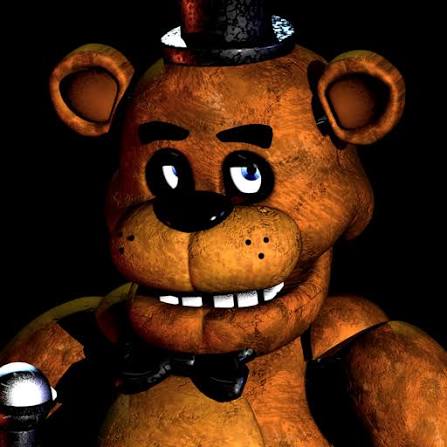

Fnaf
marketing₹1500
Units: Other
Product Details
Surviving the Pizzeria: What It's Really Like to Play a Psychological Horror Game
If you've ever wanted to experience genuine tension without leaving your room, psychological horror games offer something most entertainment can't quite capture. Unlike jump-scare films or action thrillers, these games put you in the driver's seat, forcing you to make split-second decisions while your heart pounds in your chest. Games like Fnaf have become legendary in the horror gaming community precisely because they understand this formula so well. Let's explore what makes these experiences so compelling and how to actually survive them.
What Makes Horror Games Different
The thing about horror games is that they're fundamentally about you versus the threat. There's no cutscene to save you, no algorithm deciding your fate. When you're playing, every decision carries weight. The camera you check, the door you close, the seconds you waste—they all matter. This layer of agency is what transforms a simple scare into genuine dread. You can't blame the game's script for getting you killed; you can only blame yourself, which somehow makes it hit harder.
Psychological horror games lean into this by stripping away your sense of control. You're confined to a limited space, often with minimal resources. You can't run away. You can't fight back. All you can do is observe, manage, and hope your strategies hold together when things get chaotic. This is exactly what makes Fnaf so effective—you're literally stuck in an office chair, watching multiple camera feeds, and the animatronics are coming regardless of what you do.
Understanding the Gameplay Loop
Playing a psychological horror game effectively means understanding its core rhythm. These games typically operate on limited resources—whether it's power, time, or visibility. You need to make decisions about where to focus your attention and energy, knowing that stretching yourself too thin guarantees failure.
In Fnaf, this translates to power management. You have a finite amount of electricity running your office defenses. Using the cameras drains power. Closing doors drains power. Lights drain power. You're constantly calculating whether checking that camera feed is worth the risk of running out of juice when you need it most. This creates an elegant system where every action has consequences, forcing you to think strategically rather than reactively.
The beauty of this design is that it's not about reflexes or mechanical skill—it's about decision-making under pressure. You're playing a mind game against the game itself, trying to predict what will happen next and position yourself accordingly. Some nights might feel manageable; others feel impossible. That's intentional. The difficulty curve is supposed to build tension as you progress.
Practical Tips for Surviving Your First Night
Start conservatively. Your first instinct will be to monitor everything constantly. Resist it. Take occasional camera sweeps to understand the situation, but don't make it a habit. Most threats won't manifest immediately, so patience early pays off later in the night.
Learn audio cues. Pay attention to the sounds the game makes. Creaks, mechanical noises, and audio distortions often signal where danger is coming from. Your ears are just as important as your eyes, sometimes more so. This is where wearing headphones actually enhances the experience rather than just being a preference.
Manage power like it's currency. Every decision should have a cost-benefit analysis attached. Is checking that camera worth the power? Is closing that door necessary right now? Sometimes the answer is no, and that's what separates players who last until 6 AM from those who black out at 3 AM.
Expect failure. Your first playthrough won't be clean. You'll probably run out of power with animatronics still active. You'll close doors at the wrong times. You'll panic and make mistakes. This is fine. Failure teaches you more than success does. Each attempt gives you information about how the game operates and what strategies actually work.
Embrace the atmosphere. Don't play these games in a well-lit room with distractions. Create an environment where the game can actually get under your skin. Play late at night. Turn off your phone. Let yourself experience the full weight of the tension. You're not trying to speedrun; you're trying to survive, and atmosphere matters.
Why This Genre Matters
Horror games force us to confront fear in a way that's interactive and personal. You can't look away because you're responsible for what happens next. There's no protagonist to root for—there's just you, alone, making impossible choices in an impossible situation. These games remind us that entertainment doesn't need explosions or spectacle to be engaging. Sometimes all you need is confinement, limited resources, and something unknown lurking in the darkness.
Whether you're diving into Fnaf for the first time or revisiting a horror game that terrified you years ago, remember that the fear is part of the appeal. These experiences stick with us because they demand something real—your attention, your decision-making, your emotional investment. You're not just watching a story unfold; you're living it.
So if you're ready to test your nerves, close the blinds, settle in, and prepare for a night you won't soon forget. Just remember—stay calm, manage your resources, and whatever you do, don't let the power run out.
Fnaf